Descurainia incisa ssp. incisa
(Mountain Tansy-mustard)

Descurainia incisa, Wellington Ditch Trail, Great Sand Dunes National Park, Alamosa Co. 9335
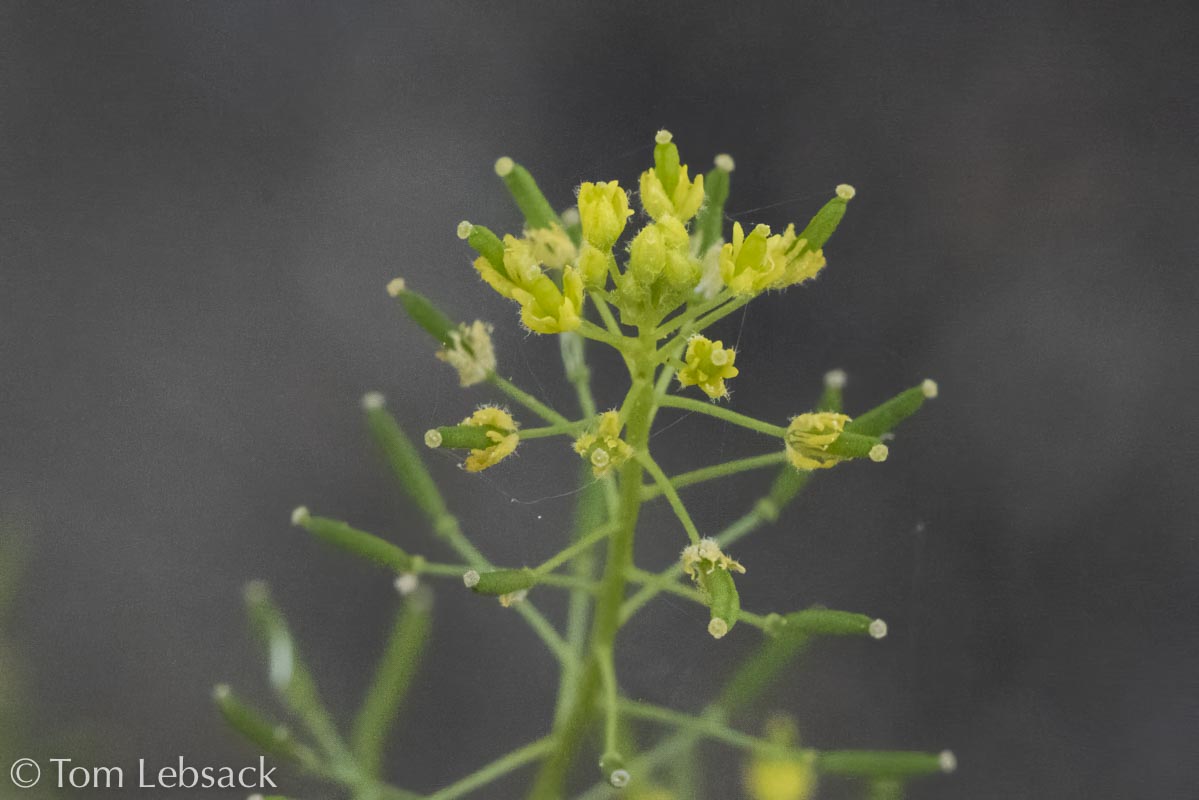
Descurainia incisa, Wellington Ditch Trail, Great Sand Dunes National Park, Alamosa Co. 9331
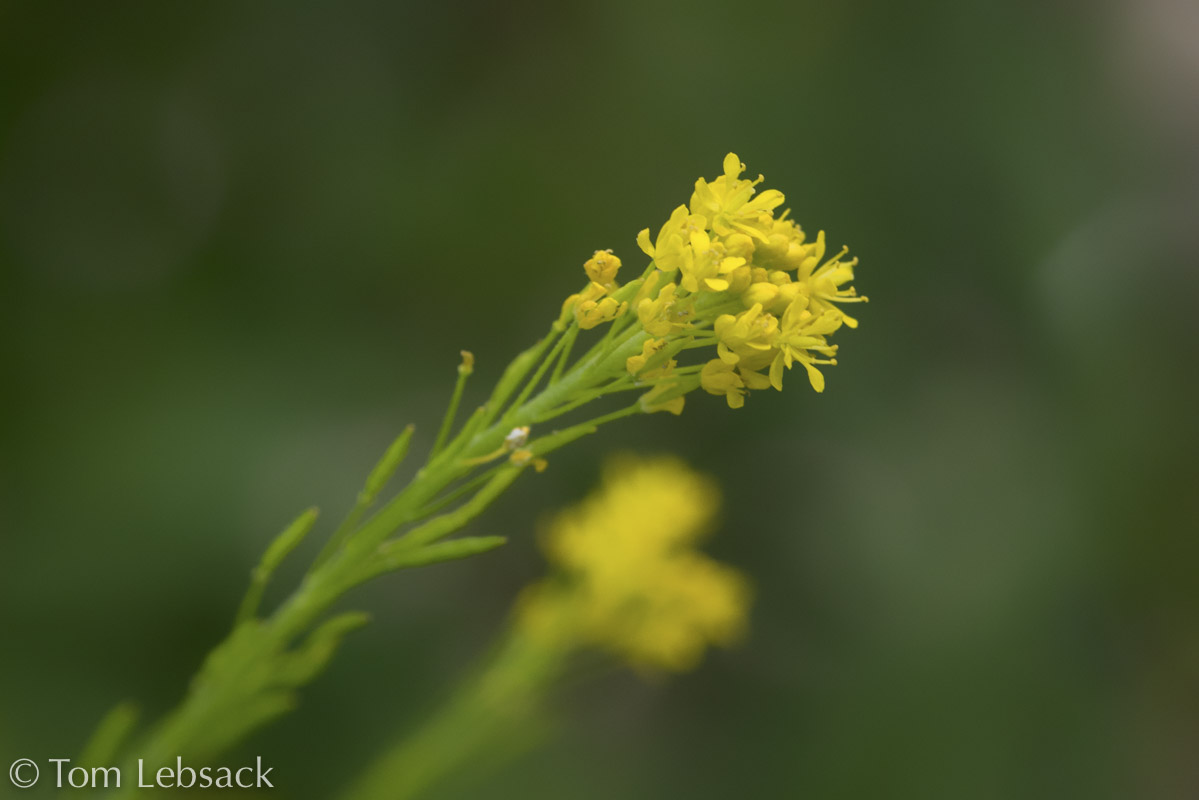
Descurainia incisa, White River Plateau, Newcastle-Buford Rd., Garfield Co. 6095
Descurainia incisa, White River Plateau, Newcastle-Buford Rd., Garfield Co. 6085
Descurainia incisa, White River Plateau, Newcastle-Buford Rd., Garfield Co. 6086
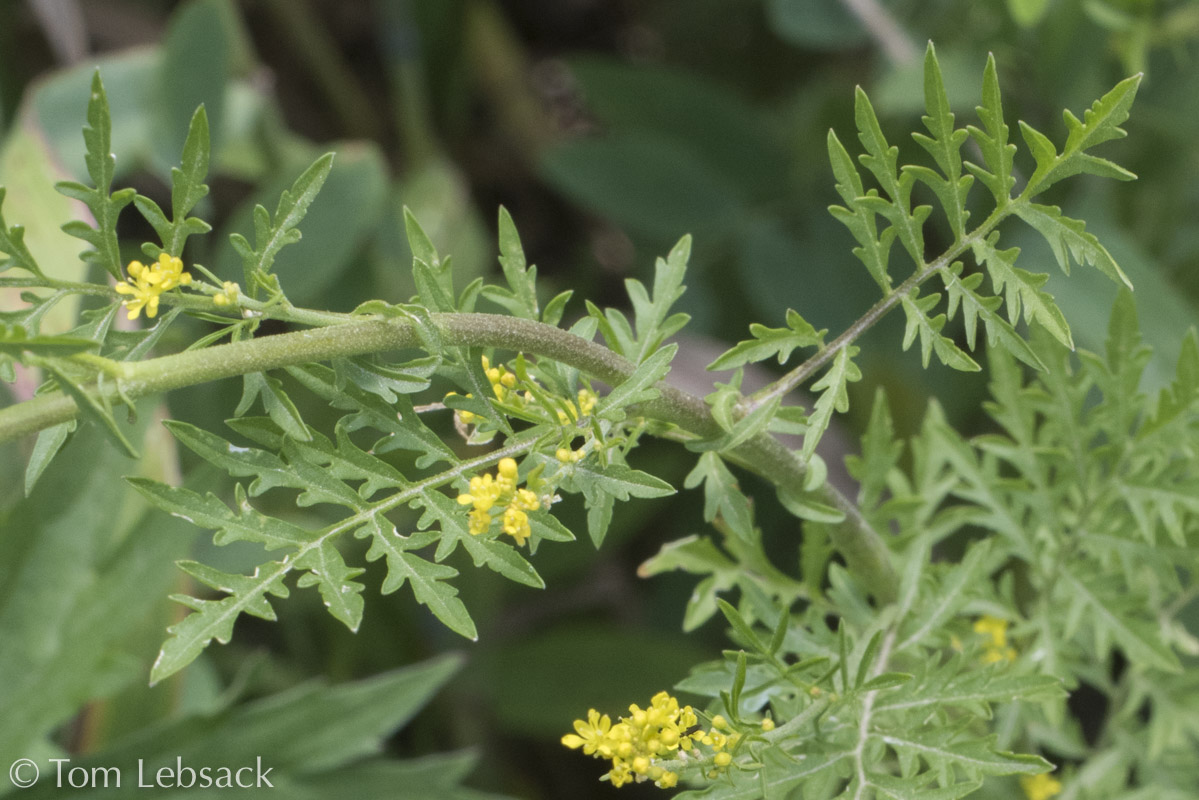
Descurainia incisa, White River Plateau, Newcastle-Buford Rd., Garfield Co. 6096
Descurainia incisa, White River Plateau, Newcastle-Buford Rd., Garfield Co. 6084
Descurainia incisa, Wellington Ditch Trail, Great Sand Dunes National Park, Alamosa Co. 9337
| Scientific Name | Descurainia incisa ssp. incisa | USDA PLANTS Symbol | DEINI2 |
| Common Name | Mountain Tansy-mustard | ITIS Taxonomic Serial No. | 823353 |
| Family | Brassicaceae (Mustard) | SEINet Reference |
Click Here |
| Description |
Life zones and habitat: Foothills to montane (5500 to 10000 ft.); meadows, roadsides, streamsides, wooded areas. Plant: Erect perennial 6 to 33 inches tall; erect stems usually unbranched below and branched above, may be glandular or not and densely to sparsely pubescent. Leaves: Pinnate basal leaves, obovate to oblanceolate in outline, 5/8 to 4 inches long with 2 to 9 pairs of lateral lobes with dentate to incised or entire margins; smaller stem leaves are sessile or short-petiolate, with oblong, lanceolate or linear lobes with dentate to denticulate or entire margins. Inflorescence: Custers of flowers in racemes at leaf nodes and top of stem; compact but becoming elongated at fruiting; small flowers with four yellow sepals and four yellow petals, all less than 1/10 inch long. Bloom Period: June to August. Fruit: Less than 3/4-inch long, erect and appressed (hugging the stem), straight or somewhat curved inward, slightly torulose and attached by stalks about the same length. References: "Flora of Colorado" by Jennifer Ackerfield, Flora of North America and American Southwest. Note: The images from the Great Sand Dunes appear to be more like ssp. paysonii, but according to BONAP, this subspecies is not found in this part of Colorado. |
BONAP Distribution Map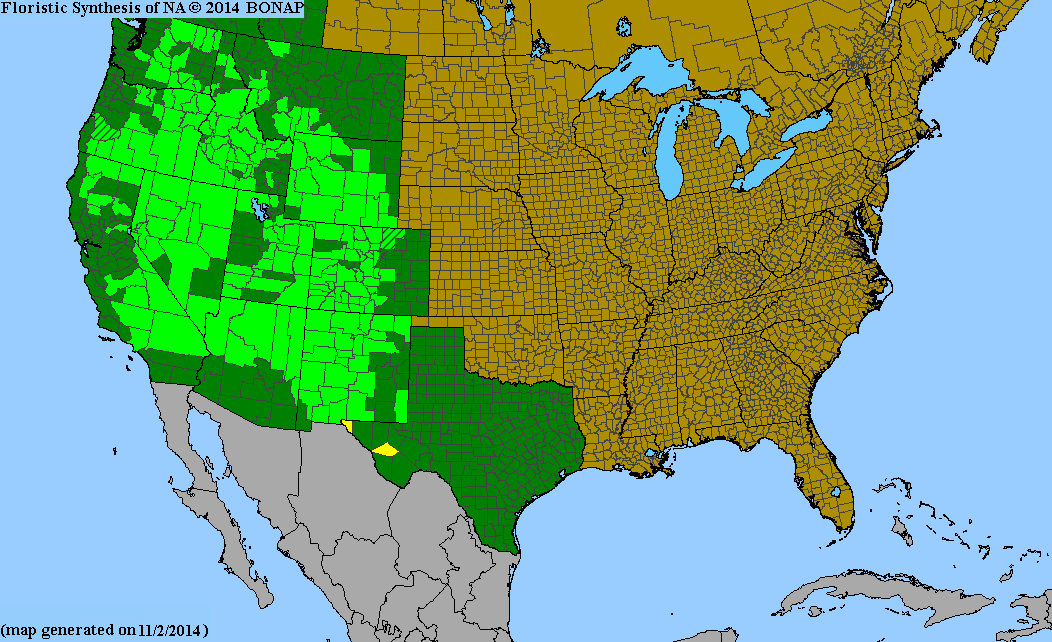
Map Color Key |
Colorado Status: Native |
© Tom Lebsack 2026
Banner photo: Castilleja rhexifolia and a brewing storm over the San Juan Mountains
I try to provide accurate, up-to-date, and relevant information, but cannot guarantee the completeness or accuracy of any information presented on this website. I use authoritative references to insure high standards of accuracy and review and update the information frequently.